NPDRR Stakeholders Provide Key Recommendations to Strengthen Monsoon Preparedness and Response Plan
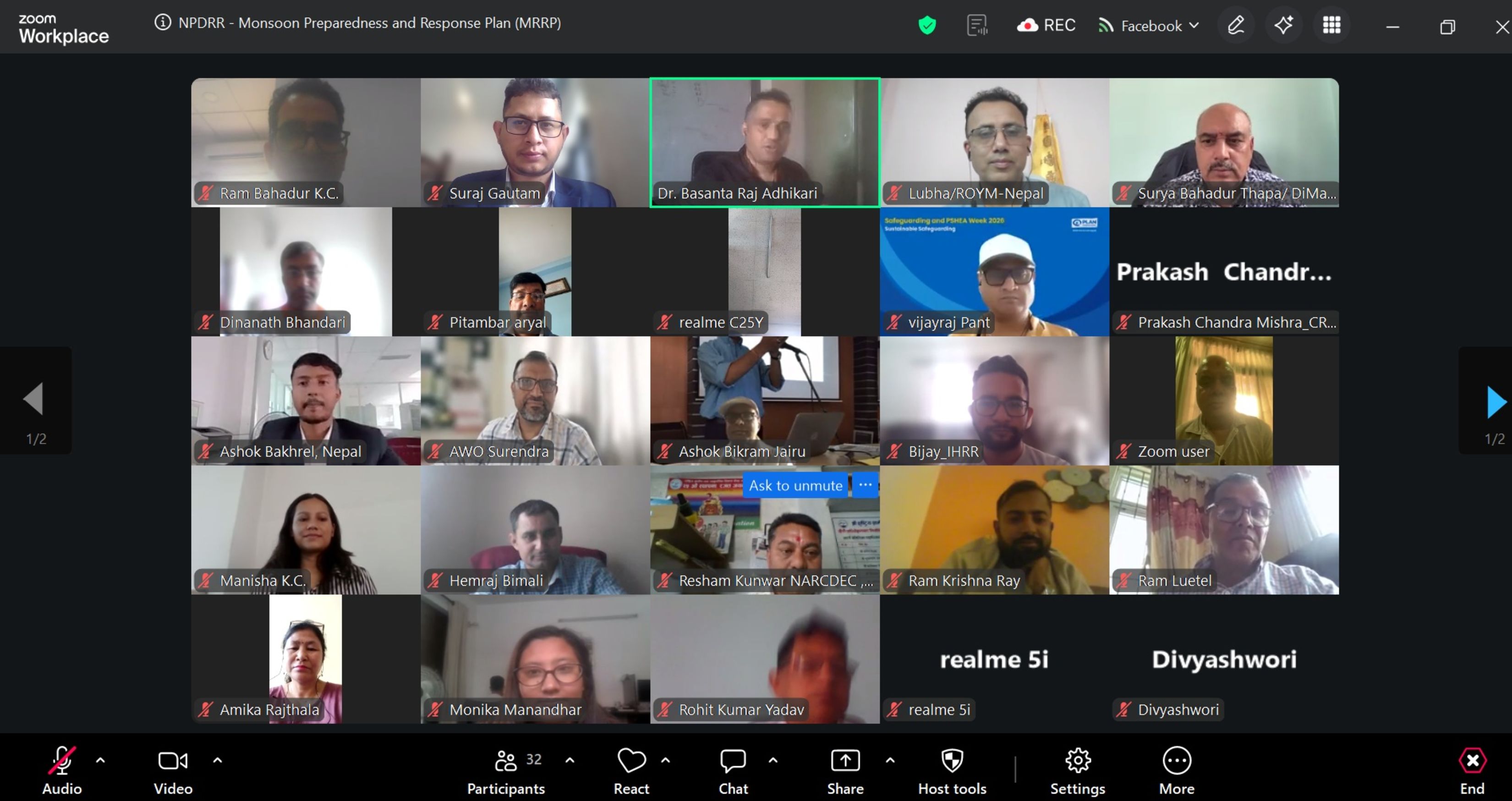
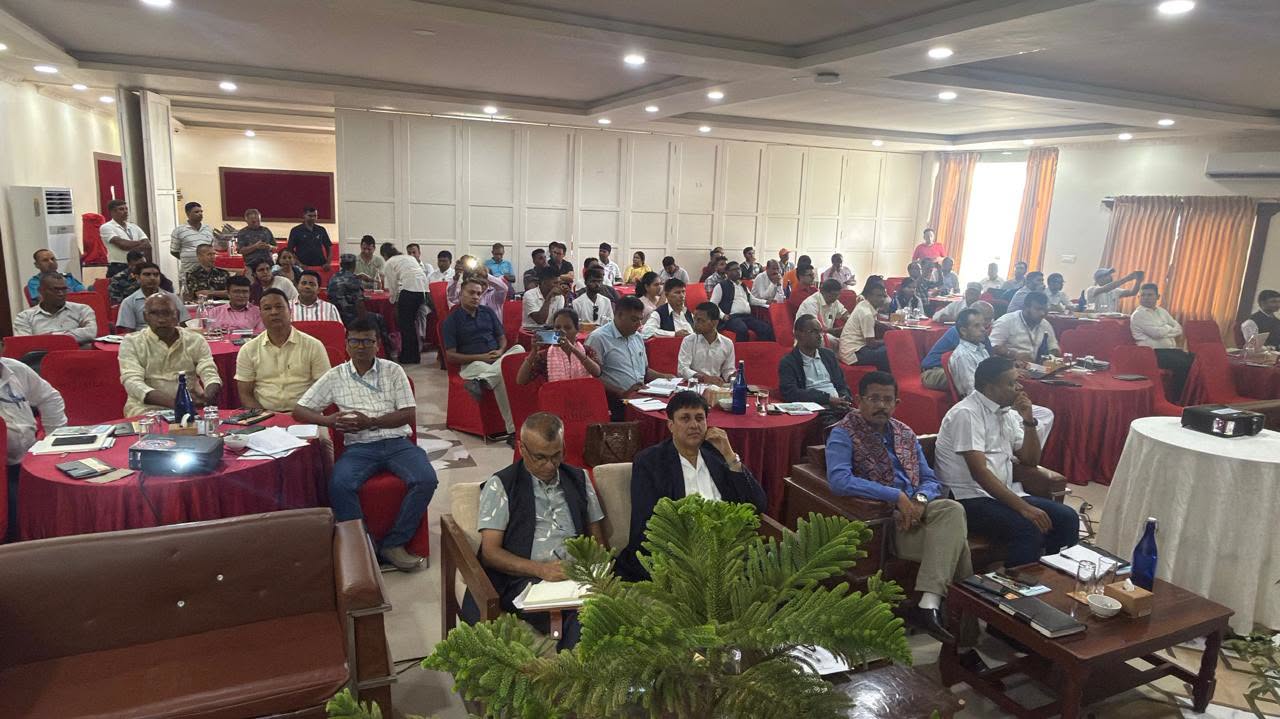
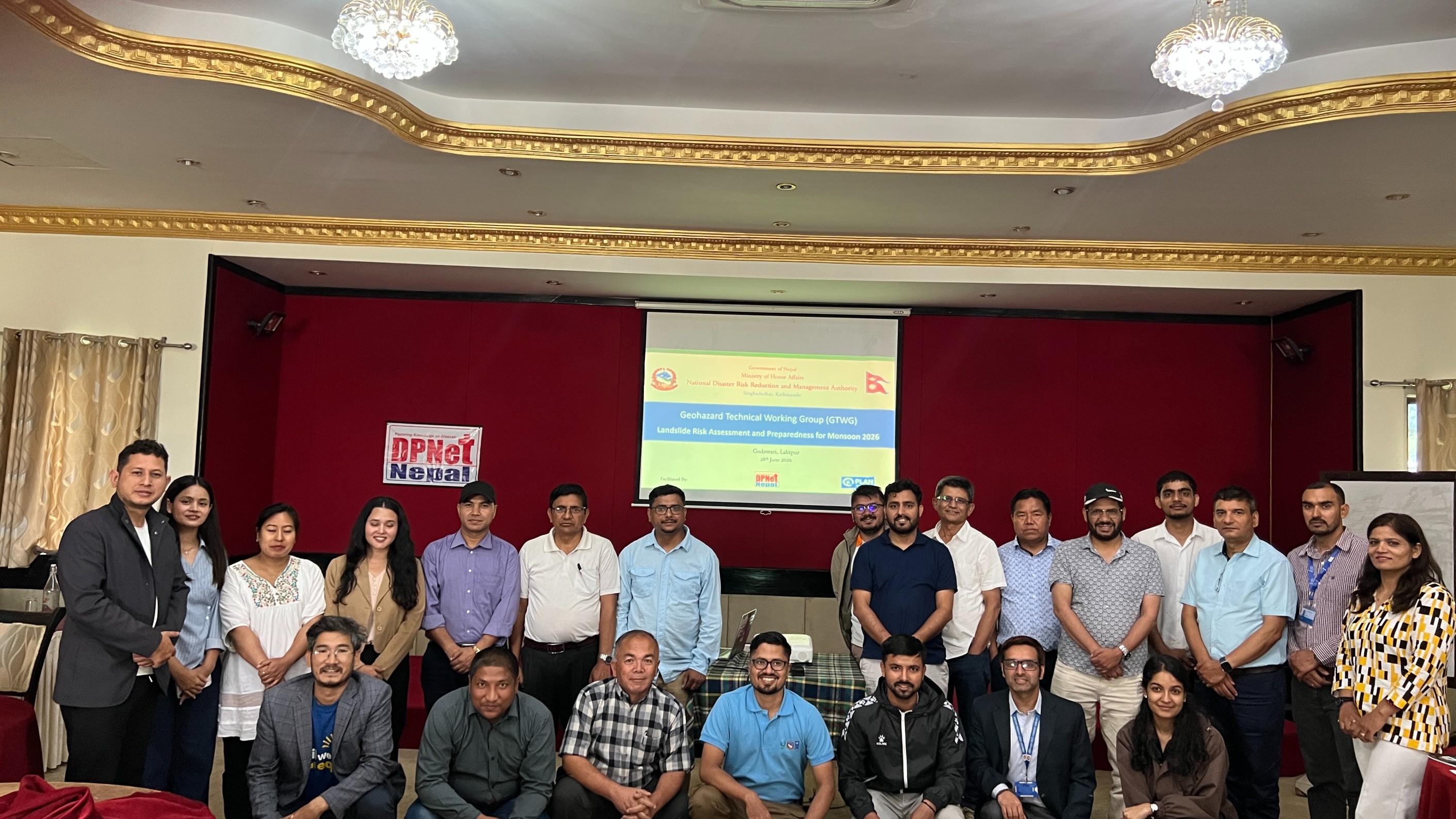
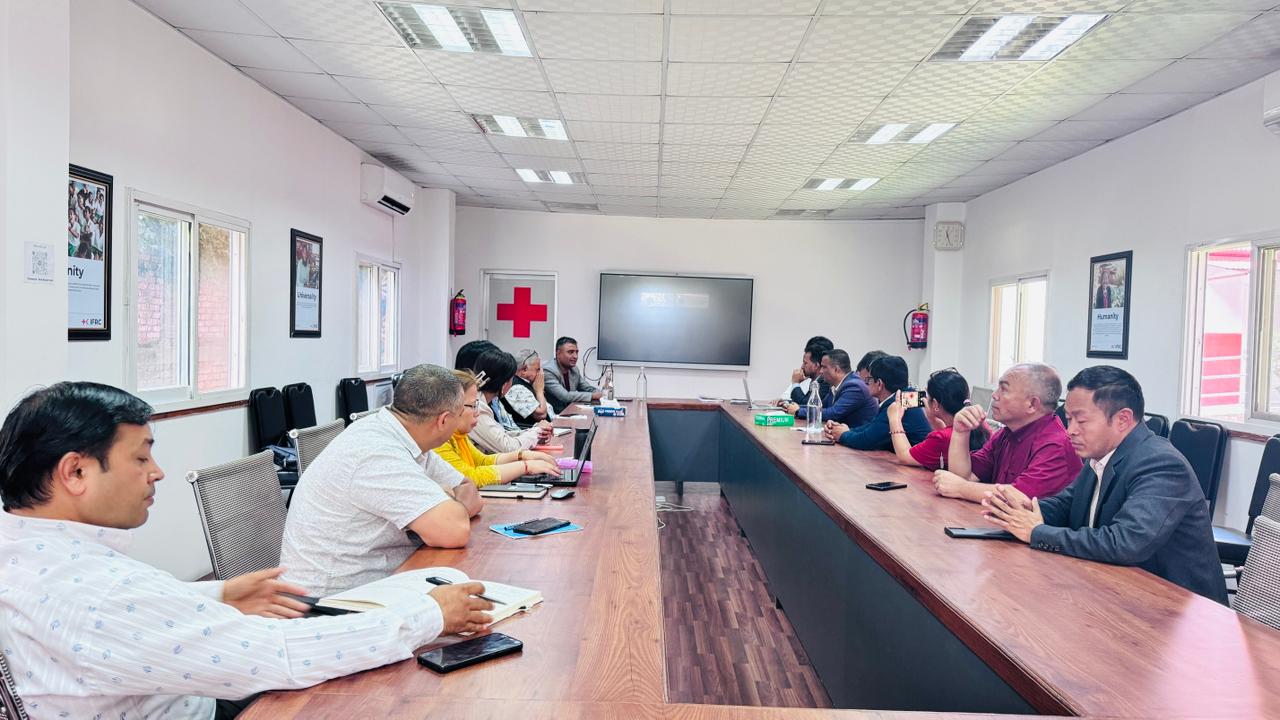
May 14, 2026: DPNet Nepal, in its role as the Secretariat of the National Platform for Disaster Risk Reduction (NPDRR), successfully organized an online consultation meeting on the draft Monsoon Preparedness and Response Plan (MPRP) 2083 with the participation of NPDRR thematic groups, DPNet advisors, members, government representatives, humanitarian agencies, and development partners.
The consultation focused on collecting feedback, recommendations, and practical suggestions to strengthen the MPRP and make it more effective, coordinated, inclusive, and actionable for the upcoming monsoon season. Participants appreciated the efforts of NDRRMA and concerned stakeholders in preparing the draft plan and emphasized the importance of institutionalizing lessons learned from previous monsoon responses.
During the consultation, NPDRR thematic members and stakeholders provided several valuable recommendations. Key suggestions included defining activation levels based on the scale and severity of disasters; strengthening coordination mechanisms among the Monsoon Command Post, DHM, NEOC, and HEOC; activating preparedness measures before the onset of monsoon; and enhancing sectoral hotline systems for agriculture, health, rescue, and ambulance services.
Participants also recommended explicitly identifying road blockage hotspots and critical incident-prone sections, strengthening stockpiling and pre-positioning arrangements based on risk and caseload projections, and improving data collection and reporting systems through standardized formats integrated with geospatial information and the BIPAD portal. The need for simple daily situation reporting templates and timely assessments such as IRA, MIRA, and CSDR was also highlighted.
Furthermore, the meeting emphasized strengthening communication protocols through tailored risk communication approaches, community-level early warning task forces, and the mobilization of local communication tools such as temple loudspeakers and community networks for dissemination of alerts and advisories.
The consultation also discussed the need to further integrate preparedness and response mechanisms for droughts and heat waves, alongside monsoon-related hazards, recognizing the increasing occurrence of “too much and too little water” scenarios across Nepal.
DPNet Nepal expressed its sincere appreciation to all thematic groups, advisors, and stakeholders for their active participation and constructive contributions, which will support further refinement of the Monsoon Preparedness and Response Plan 2083.