Workshop on AI-Enabled Disaster Damage Assessment Concludes in Lalitpur
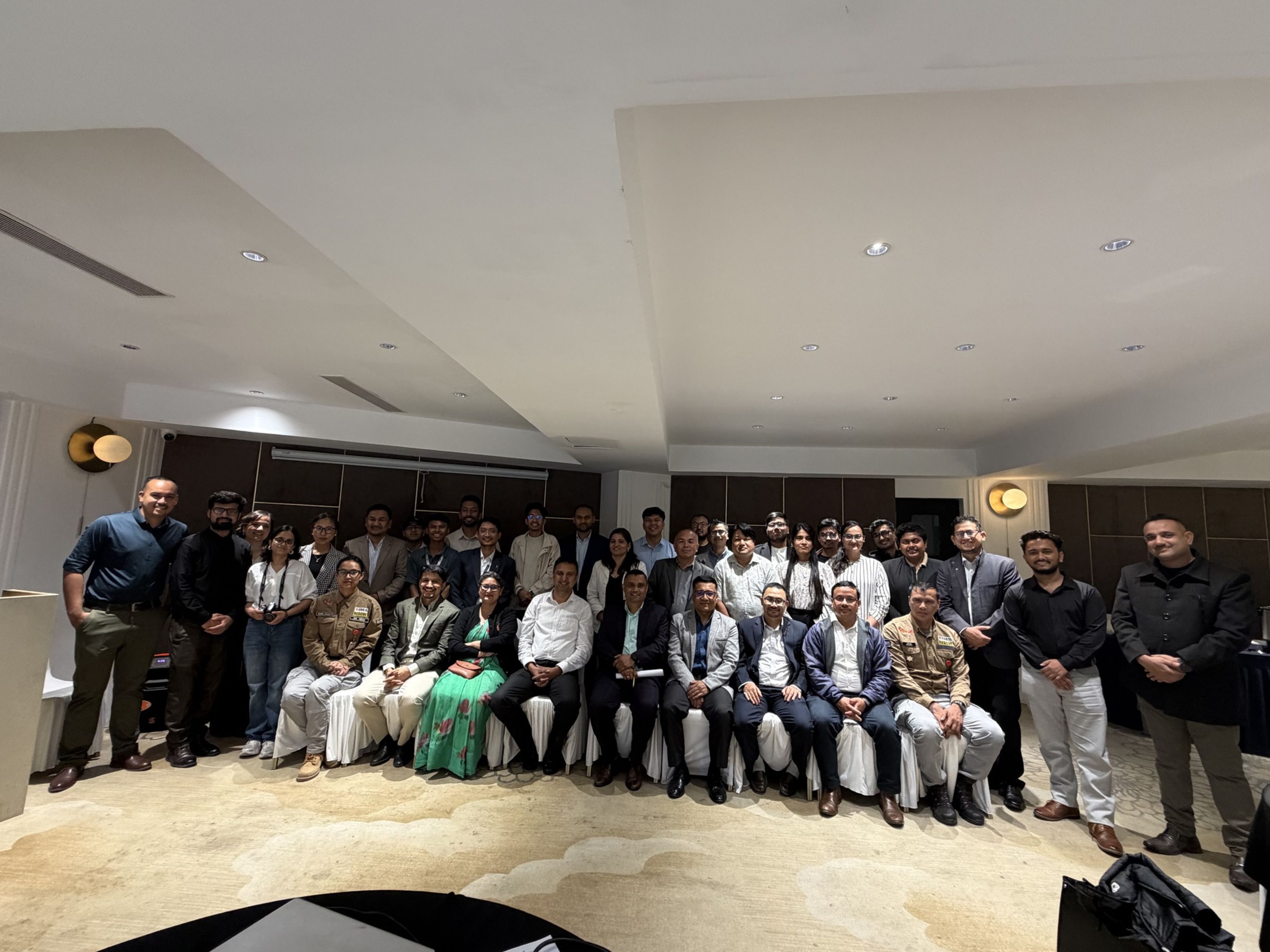
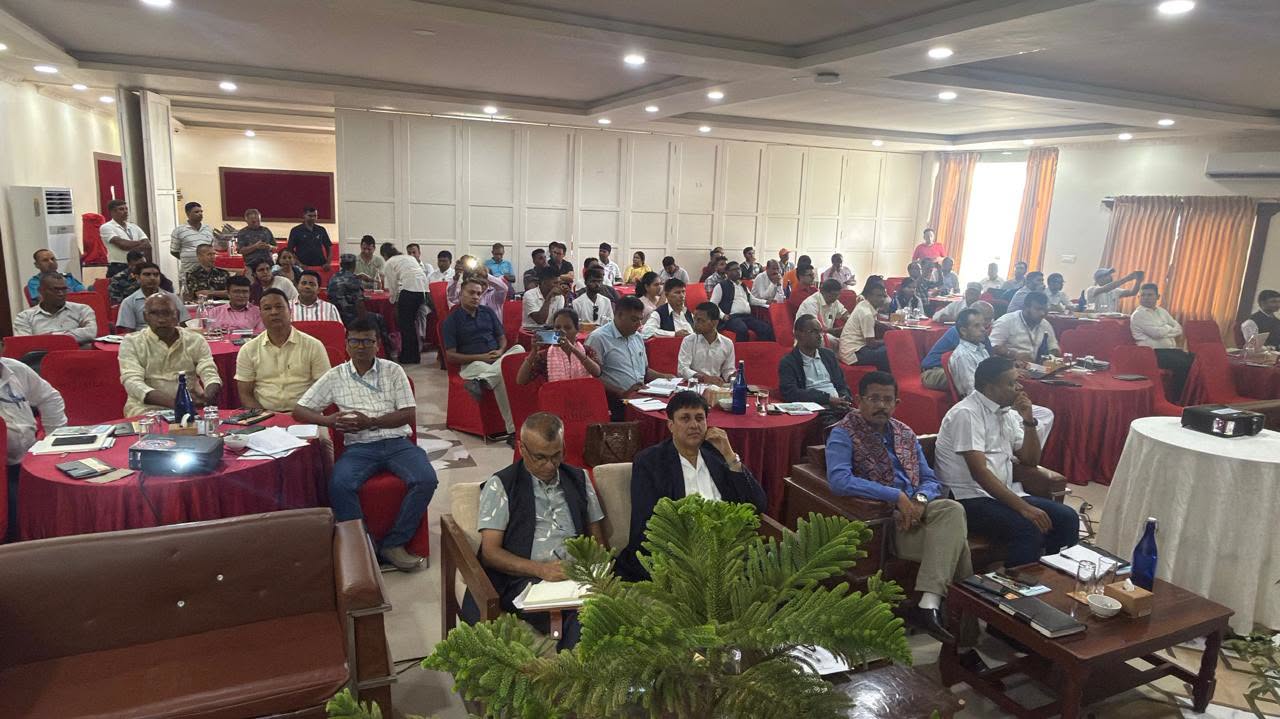
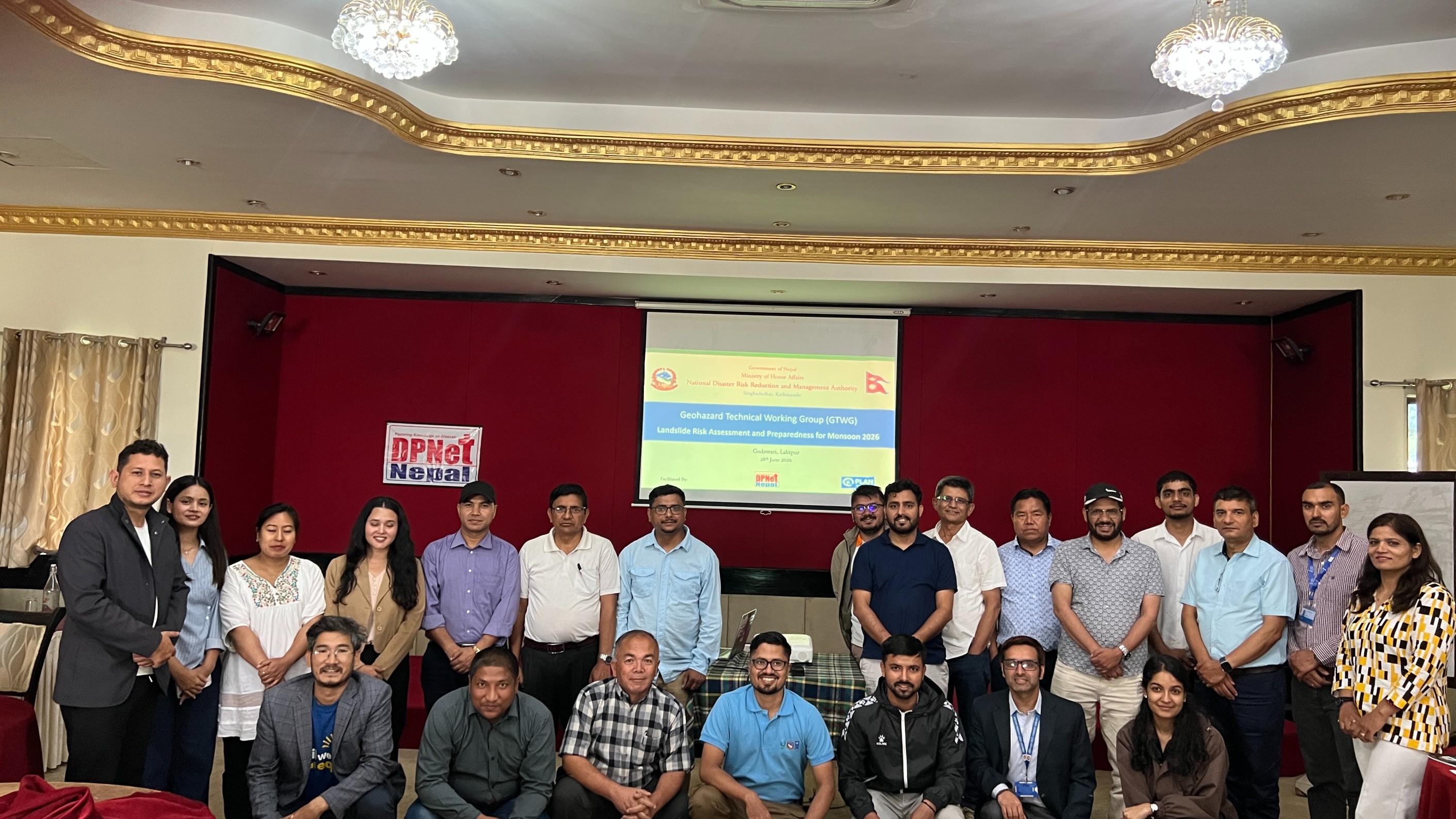
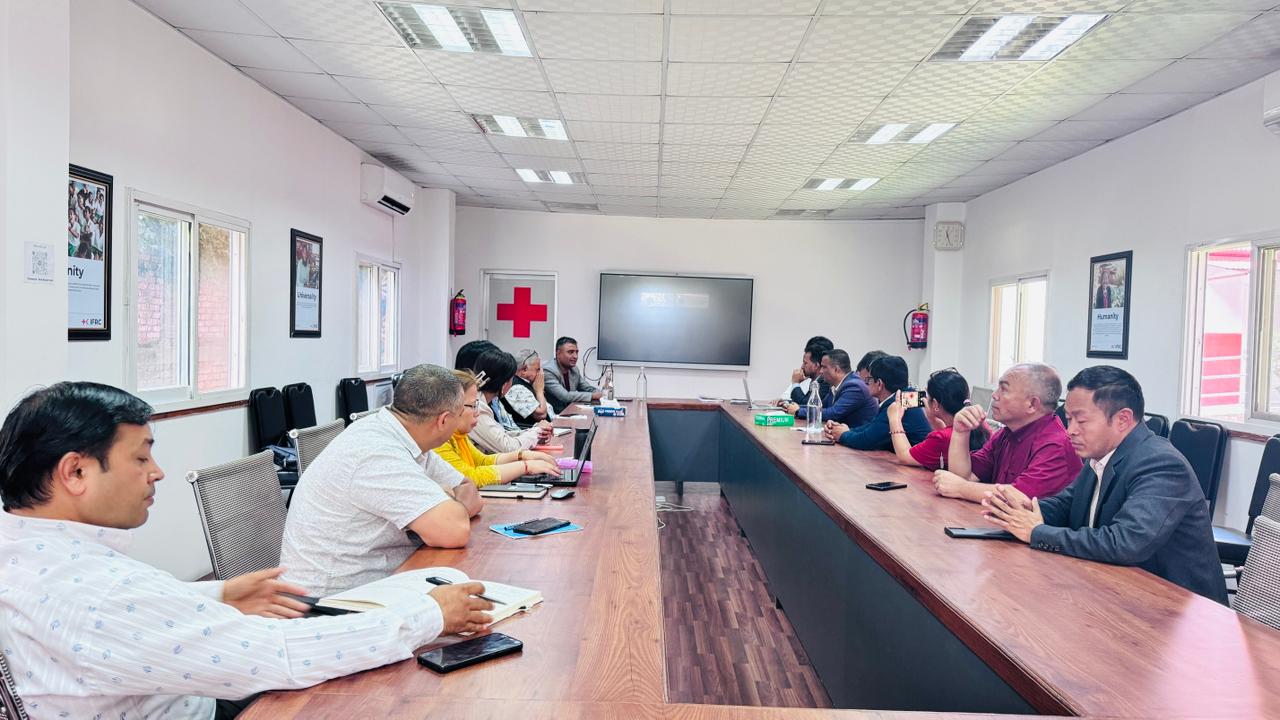
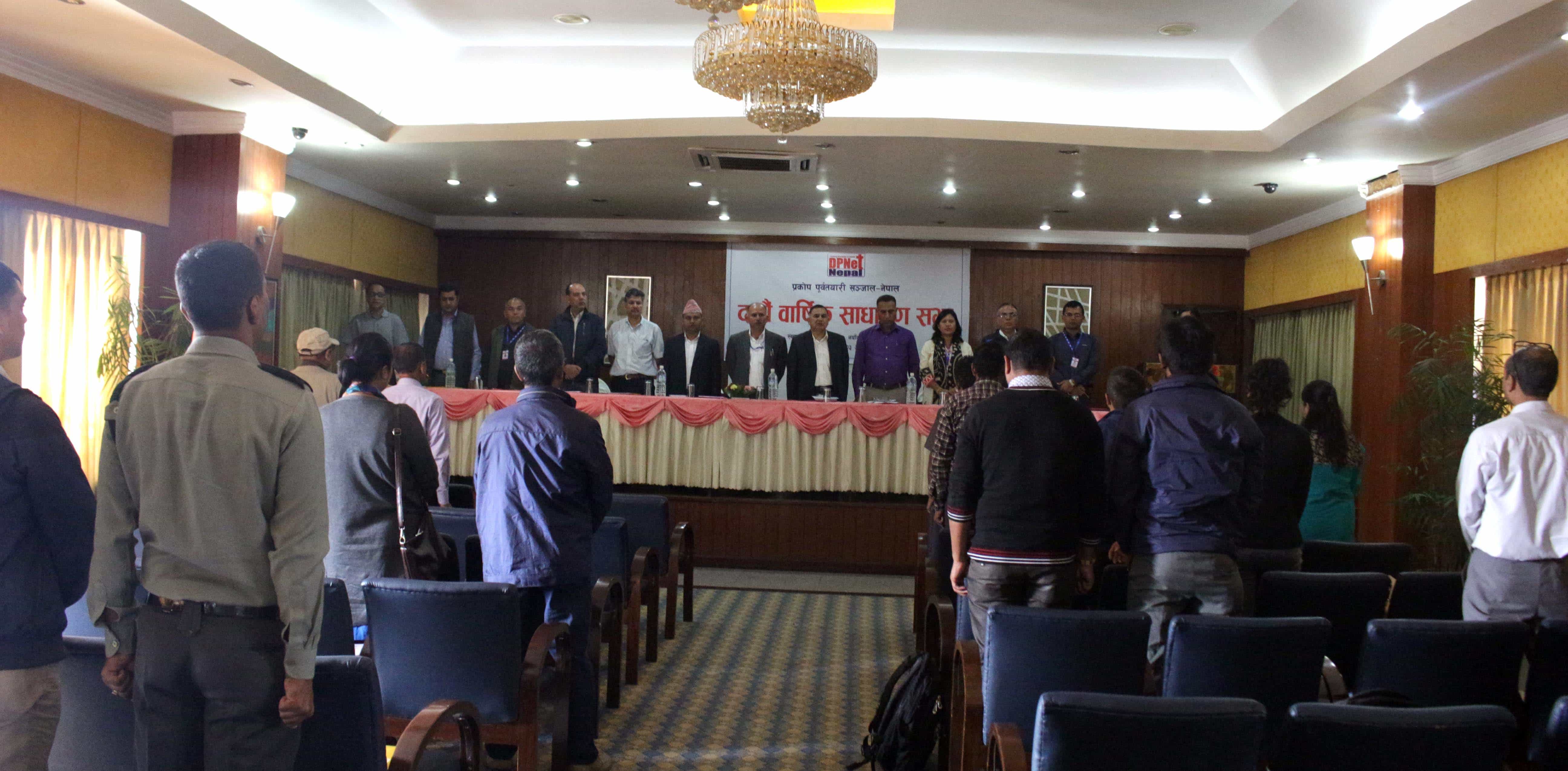
Lalitpur, April 30, 2026: Disaster Preparedness Network Nepal (DPNet Nepal), in collaboration with NAXA and partner organizations, successfully organized a half-day workshop on “AI-Enabled Disaster Damage Assessment in Nepal: Current Status, Challenges, and Co-Designing a Practical Way Forward” at Square Hotel, Lalitpur.
The workshop brought together more than 40 participants from government agencies, humanitarian organizations, academia, the private geospatial sector, and development partners to explore how artificial intelligence (AI), drone technology, and geospatial data can strengthen disaster response and damage assessment systems in Nepal.
The event was organized under the project “Localized GeoAI Models for Post-Disaster Damage Assessment Aimed at Enhancing Reconstruction and Development Planning Efforts,” jointly implemented by NAXA, Humanitarian OpenStreetMap Team (HOT), and the VITA Lab at EPFL, Switzerland, with support from the EssentialTech Centre at EPFL.
The workshop was structured into three major sessions focusing on drone applications in disaster management, AI-driven damage assessment, and collaborative future planning.
During the first session, experts discussed the current use of drones in disaster risk management and rapid damage assessment in Nepal. Presentations highlighted how drones can provide high-resolution imagery for emergency response and how AI tools can significantly reduce the time required to analyze damage data. Speakers also emphasized existing challenges, including limited drone flight duration, data processing delays, and the lack of localized AI training datasets for Nepal’s diverse building structures.
Representatives from the Nepal Red Cross Society (NRCS) presented Nepal’s existing four-phase disaster assessment framework, including Initial Rapid Assessment (IRA), Multi-Cluster Initial Rapid Assessment (MIRA), Cluster Specific Detailed Assessment (CSDA), and Post Disaster Needs Assessment (PDNA), while discussing opportunities for integrating AI-based tools into these systems.
The second session featured an interactive co-design exercise led by NAXA, where participants explored the functionalities of an open-source GeoAI prototype for post-disaster building damage assessment. Participants discussed ethical considerations, AI accuracy, data governance, and the importance of human-in-the-loop validation systems. Group discussions also focused on standardizing drone data collection, improving AI model training for Nepali building typologies, integrating AI outputs into government reporting systems, and strengthening open-data governance and capacity building.
The final session included a panel discussion among experts from government agencies, academia, humanitarian organizations, and the private sector. Panelists discussed the future of AI-driven disaster response in Nepal, institutional coordination, data-sharing mechanisms, legal frameworks for drone operations, and the need for localized AI models that can function effectively in Nepal’s post-disaster environments.
One of the key outcomes of the workshop was a shared consensus that AI-enabled damage assessment is becoming an immediate and practical solution for Nepal’s disaster response system. Participants emphasized the importance of localized AI models, standardized protocols, institutional collaboration, and long-term capacity building to successfully implement such technologies.
The workshop also identified priority use cases for AI in disaster response, including automated detection of damaged buildings from drone imagery and forecasting flood and landslide-prone areas using rainfall, terrain, and river data.
The insights and recommendations generated during the workshop will be incorporated into the ongoing development of AI-based disaster assessment tools. The collaboration will also contribute to the upcoming publication of the “Drones and AI for Disaster Assessment Landscape Report for Nepal.” The workshop marked an important milestone in strengthening partnerships and advancing data-driven, technology-enabled disaster response systems in Nepal.